Working
at height is a routine yet high-risk task across construction,
maintenance, and industrial operations. A 10-meter working height, as
shown in the image, represents a significant elevation where proper
planning, equipment, and safety protocols become absolutely critical.
The mobile aluminium scaffolding tower
pictured here is a practical and efficient solution for accessing
elevated work areas, but it must be used with strict adherence to safety
standards. This detailed guide explores best practices, risks, setup
procedures, and essential precautions when working at heights of around
10 meters using scaffold towers.
Understanding the Risks at 10 Meters - Aluminium Scaffolding
A
height of 10 meters (approximately 32 feet) is far beyond what can be
considered low-risk. Falls from this level can lead to severe injuries
or fatalities. Common hazards include:
Loss of balance or footing
Structural instability of the scaffold
Environmental factors like wind
Improper use of ladders within the tower
Falling tools or materials
Because
of these risks, regulatory bodies across the world emphasize fall
protection systems, worker training, and proper scaffold design.
To ensure safe operation at a 10-meter height, every component of the scaffold must be correctly installed and maintained.
1. Base and Foundation
The
scaffold must stand on level, solid ground. Uneven or soft surfaces can
cause tilting or collapse. Wheel locks must be engaged when the tower
is in use.
2. Frames and Bracing
Cross braces provide structural stability. Missing or incorrectly installed braces weaken the entire structure.
3. Platforms
Working
platforms should be fully decked, secured, and capable of supporting
the intended load. Gaps or loose boards increase fall risk.
4. Guardrails and Toe Boards
At heights above 2 meters, guardrails are essential. Toe boards prevent tools or materials from falling.
5. Access Ladders
Internal ladders are safer than external climbing. Workers should maintain three points of contact when ascending or descending.
6. Stabilizers (Outriggers)
At 10 meters, outriggers are not optional—they are necessary. They widen the base and prevent tipping.
Regular maintenance extends the life of the scaffold and ensures ongoing safety.
Working
at a height of 10 meters requires more than just equipment—it demands
awareness, discipline, and adherence to safety protocols. The mobile scaffold tower
shown in the image is a powerful tool when used correctly, offering
both efficiency and safety. However, neglecting proper setup or safe
practices can quickly turn it into a hazard.
By
focusing on correct assembly, regular inspections, and responsible use,
workers can confidently perform tasks at height while minimizing risks.
Safety is not just a requirement—it is a responsibility shared by
everyone on site.
In modern industrial and commercial environments, safe and efficient access to elevated areas is essential. One of the most reliable solutions is the Hydraulic Drive Scissor Lift, engineered with precision for 9.75m working height and a lifting capacity of 250kg. Its compact design makes it the perfect choice for indoor maintenance, installation, warehousing, and construction tasks where maneuverability and safety are top priorities.
Hydraulic drive scissor lifts are known for their stability, ease of operation, and durability. The hydraulic lifting mechanism ensures smooth vertical elevation, reducing the risk of sudden jolts that can compromise operator safety.
Unlike traditional ladders or scaffolding, a hydraulic scissor lift provides:
Increased efficiency in accessing heights.
Enhanced operator safety with guardrails and anti-slip platforms.
Time savings, reducing downtime in fast-paced industrial environments.
Compact maneuverability ideal for narrow aisles and congested indoor areas.
Specifications of the 9.75m Hydraulic Drive Scissor Lift
The hydraulic drive scissor lift with a 9.75m working height is designed to meet demanding indoor and light outdoor applications. Below are the detailed specifications:
Working Height: 9.75m
Platform Height: Approx. 7.75m
Lifting Capacity: 250kg (suitable for 2 workers + tools)
Drive System: Hydraulic drive for smooth lifting and lowering
Platform Size: Compact yet spacious enough for industrial use
Weight Capacity: Adequate to handle electrical, MEP, HVAC, and warehouse tasks
Mobility: Designed with easy steering for confined spaces
When compared to other access solutions, this model stands out due to:
High lifting capacity of 250kg, allowing two workers plus equipment.
Reduced noise levels, suitable for indoor environments.
Lower maintenance requirements compared to mechanical lifts.
Durable hydraulic system designed for long service life.
Eco-friendly options with low energy consumption.
The hydraulic system is especially efficient in ensuring smooth and consistent elevation, making it safer than manual or electric-only alternatives.
Why This Lift is Ideal for Indoor Industrial Work
The 9.75m hydraulic scissor lift is designed specifically to address the challenges of indoor industrial projects:
Fits through standard doorways without dismantling.
Compact enough for multi-level indoor structures.
Provides stability even on polished or tiled flooring.
Requires minimal setup time, making it perfect for time-sensitive tasks.
Its design ensures operators can focus on productivity rather than struggling with heavy or unsafe equipment.
Maintenance and Durability
The Hydraulic Drive Scissor Lift is built for long-term use. Its maintenance requirements are minimal, typically including:
Routine hydraulic fluid checks.
Inspection of safety systems and brakes.
Lubrication of moving components.
Battery and charging system upkeep (if battery powered).
With proper care, this scissor lift can provide years of reliable service, reducing replacement costs for businesses.
Conclusion
The Hydraulic Drive Scissor Lift with 9.75m working height and 250kg lifting capacity is the ultimate solution for indoor industrial and commercial environments where space, safety, and efficiency are top priorities. Its compact design, strong hydraulic system, and comprehensive safety features make it indispensable for warehousing, facility management, MEP works, and retail maintenance.
Choosing this lift ensures not only higher productivity but also improved operator safety, making it a smart investment for any business.
A Battery operated scissor lift with a working height of 12 meters is a robust and versatile piece of equipment commonly used in construction, maintenance, and industrial applications. Here are some key features and considerations for such a lift:
Key Features:
Working Height: 12 meters (approximately 39.4 feet) - This is the maximum height the platform can reach, allowing workers to access elevated areas safely.
Engine: Diesel-powered - Provides strong performance and is suitable for outdoor use, especially in rough or uneven terrains.
Platform Capacity: Typically ranges from 200 to 500 kg (440 to 1100 lbs), depending on the model. Always check the specific capacity for safe operation.
Outdoor Use: Battery scissor lifts are ideal for outdoor applications due to their powerful engines and ability to handle uneven surfaces.
Mobility: Equipped with robust tires or tracks, making it suitable for rough terrains. Some models may have 4-wheel drive for better maneuverability.
Controls: Dual controls (platform and ground) for safe and efficient operation.
Safety Features:
Guardrails and toe boards on the platform.
Emergency stop buttons.
Tilt sensors to prevent operation on uneven surfaces.
Overload sensors to prevent exceeding weight limits.
Dimensions: Compact design for easy transport and maneuverability, but ensure it fits your workspace.
Applications:
Construction sites.
Maintenance of high structures (e.g., warehouses, factories).
Installation of signage or lighting.
Outdoor events setup.
Considerations:
Fuel Efficiency: Diesel engines are powerful but may consume more fuel compared to electric models. Ensure you have a fuel management plan.
Noise Levels: Diesel engines can be noisy, which may not be suitable for indoor or noise-sensitive environments.
Maintenance: Regular maintenance is required to keep the engine and hydraulic systems in good condition.
Training: Operators should be trained and certified to use the equipment safely.
Always refer to the manufacturer’s specifications and safety guidelines before operating the equipment. If you’re renting or purchasing, ensure the lift meets your project requirements and safety standards.
In the indoor maintenance, efficient and safe access to high, hard-to-reach areas is crucial. This is where spider lifts, particularly the 12-meter spider lift, come into play. Known for their unique design, flexibility, and reach, these machines enable indoor maintenance units to tackle tasks like lighting adjustments, HVAC repairs, and more with ease and safety. But what exactly makes a 12-meter spider lift such a popular choice in indoor maintenance?
What is a Spider Lift?
A spider lift is a type of aerial work platform specifically designed for access in confined or complex spaces. Named for its spider-like legs that stabilize the lift on uneven surfaces, this equipment is essential for indoor and outdoor tasks. Spider lifts come in various sizes and capacities, typically categorized by their reach height, such as 10, 12, and even 20-meter models. Each type is tailored for specific maintenance or construction requirements, making them versatile tools across industries.
Why Use a 12-Meter Spider Lift for Indoor Maintenance?
For many indoor tasks, a 12-meter spider lift strikes an ideal balance between height, reach, and compact design. Unlike traditional ladders or scissor lifts, a spider lift provides unparalleled flexibility and stability in confined indoor spaces. Its reach is suitable for accessing ceilings and lighting fixtures in larger indoor spaces like auditoriums, warehouses, and shopping centers, making it safer and more efficient.
Spider lifts are designed with several features that make them suitable for indoor environments:
Compact and Lightweight Design – The lift’s design allows it to pass through standard doors and operate in narrow corridors.
Articulated Boom Arms – These enable the spider lift to extend and pivot, offering precise positioning.
Maneuverability – Spider lifts are easy to steer, making it possible to work around obstacles without repositioning the base unit.
Technical Specifications
A typical 12-meter spider lift comes with:
A reach height of approximately 12 meters (39 feet)
Load capacity sufficient for both operator and tools (usually around 200 kg)
Electric or battery-operated options for indoor suitability
Lightweight construction for reduced floor impact
These features make them an effective choice for sensitive indoor areas where space is limited.
How a 12-Meter Spider Lift Works
The operation of a spider lift is fairly straightforward, involving user-friendly controls for lift movement, rotation, and extension. Safety features include emergency stop buttons, weight sensors, and stability monitoring systems, which are especially helpful in tight spaces. Many models also come with remote-control options, allowing operators to guide the lift from a distance in more complex environments.
Advantages of Using a Spider Lift Indoors
Spider lifts offer distinct benefits for indoor applications:
Space Efficiency – Their compact base and articulated boom lift allow them to navigate and stabilize in small areas.
Versatility – From lighting installation to HVAC maintenance, spider lifts can be used across various tasks, enhancing productivity.
Maintenance Requirements for Spider Lifts
To ensure safety and longevity, spider lifts require regular maintenance. Key areas to check include battery life, hydraulic systems, and electrical connections. Regular inspections help identify and prevent issues, ensuring smooth operation for years.
While scissor lifts offer vertical reach, they lack the articulated boom of a spider lift, limiting their range in confined spaces. Spider lifts, with their flexibility and greater horizontal reach, are more suitable for indoor maintenance tasks that require access to varying heights and angles.
Industries Benefiting from Indoor Spider Lifts
Several industries, including warehousing, events, and facilities maintenance, leverage spider lifts to enhance efficiency and safety. Museums and galleries, for instance, use spider lifts to access lighting or install displays without disturbing surroundings.
Safety Considerations for Operating Spider Lifts Indoors
Operating a spider lift requires training and adherence to safety protocols. Operators should be aware of indoor hazards such as electrical lines and tight clearances. Proper training minimizes risks and ensures a safe work environment.
Environmental Benefits of Electric Spider Lifts Indoors
Electric spider lifts produce minimal emissions and noise, making them ideal for indoor use. They contribute to better indoor air quality, particularly in enclosed spaces, aligning with environmental standards for sustainable operations.
Cost and Rental Options for Indoor Spider Lifts
The cost of a 12-meter spider lift can vary based on model and features. Many companies offer short-term rentals, making these lifts accessible for temporary projects or maintenance needs, which can be a cost-effective solution.
Case Studies: Indoor Maintenance with Spider Lifts
In practice, spider lifts have enabled companies to complete indoor maintenance tasks quickly and safely. For instance, a museum using a spider lift to install exhibits reported faster setup times and fewer disruptions to their usual operations.
Conclusion
A 12-meter spider lift is an invaluable tool for indoor maintenance units, offering unmatched flexibility, safety, and efficiency. With its compact design and versatile reach, it provides a safer alternative to ladders or scissor lifts. For industries that rely on indoor maintenance, a 12meter spider lift can transform how tasks are approached and completed.
When it comes to fire safety, we often think about smoke detectors, fire extinguishers, and escape plans. But how many of us have considered the powerful, often life-saving role that fire sprinkler systems play in both homes and businesses? Fire sprinkler systems, once seen primarily in industrial settings, are now becoming a staple of modern fire protection. With technology advancing rapidly, these systems are more efficient, reliable, and vital than ever.
What Are Fire Sprinkler Systems?
Fire sprinkler systems are an essential fire protection measure that automatically detects and combats fires before they can spread. These systems are designed to control or extinguish fires at the source, often long before the fire department can arrive. They consist of a series of water pipes installed throughout a building, with sprinkler heads positioned at strategic locations.
Fire sprinklers are critical for both residential and commercial buildings, offering a safeguard against the destructive power of fire. By providing immediate water discharge upon fire detection, these systems significantly reduce damage, save lives, and prevent widespread property loss.
How Do Fire Sprinkler Systems Work?
Fire sprinkler systems are more than just pipes and sprinkler heads. When heat from a fire reaches a certain temperature, usually around 155°F (68°C), the sprinkler heads are activated. They don’t all go off at once, as many people think; instead, each sprinkler head operates independently, targeting only the area affected by fire.
Types of Fire Sprinkler Systems
Wet Pipe Systems: The most common type, wet pipe systems have water ready in the pipes, allowing for immediate response when a sprinkler head is activated.
Dry Pipe Systems: Instead of water, dry pipes are filled with air or nitrogen. When a fire is detected, the air is released, allowing water to flow into the pipes and out through the sprinklers.
Pre-Action Systems: These systems are a combination of dry and wet pipes and require two triggers before releasing water.
Deluge Systems: Designed for high-risk areas, deluge systems discharge water from all sprinkler heads simultaneously, making them ideal for areas where fire could spread rapidly.
What Are Wet Pipe Fire Sprinkler Systems?
Wet pipe fire sprinkler systems are the simplest and most common type of fire suppression system. In these systems, the pipes are constantly filled with water, meaning they are always ready to activate when needed. This type of system provides immediate water discharge when a fire is detected, allowing for faster response times compared to other fire sprinkler systems.
Unlike dry pipe systems, where air or nitrogen fills the pipes and must be released before water can flow, wet pipe systems are designed for quicker action. This makes them especially effective in environments where fast fire suppression is essential.
How Do Wet Pipe Fire Sprinkler Systems Work?
Wet pipe fire sprinkler systems work on a straightforward principle: once heat from a fire reaches a certain temperature, the sprinkler heads activate and release water directly from the pipes. The key to their efficiency lies in their constant readiness. Since the pipes are always filled with water, there’s no need for a delay, and the system can begin putting out the fire immediately.
Key Components of a Wet Pipe Fire Sprinkler System
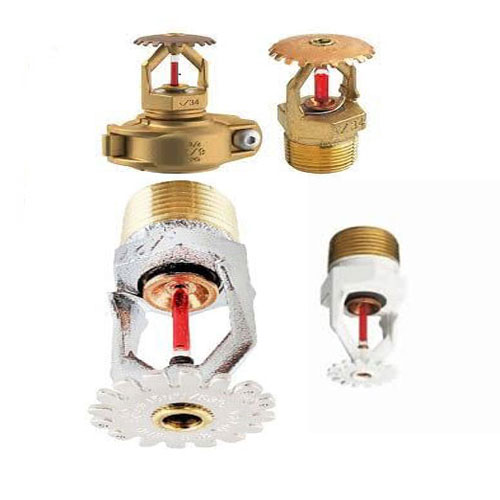
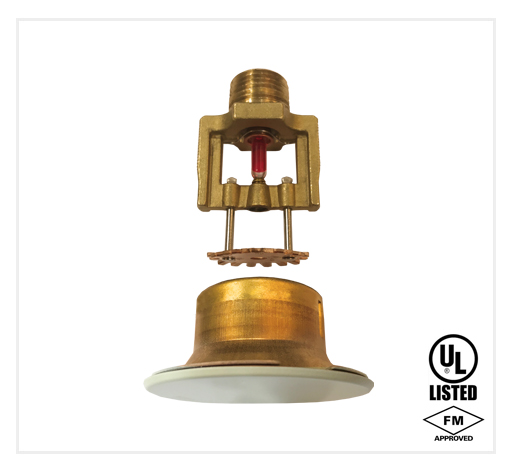
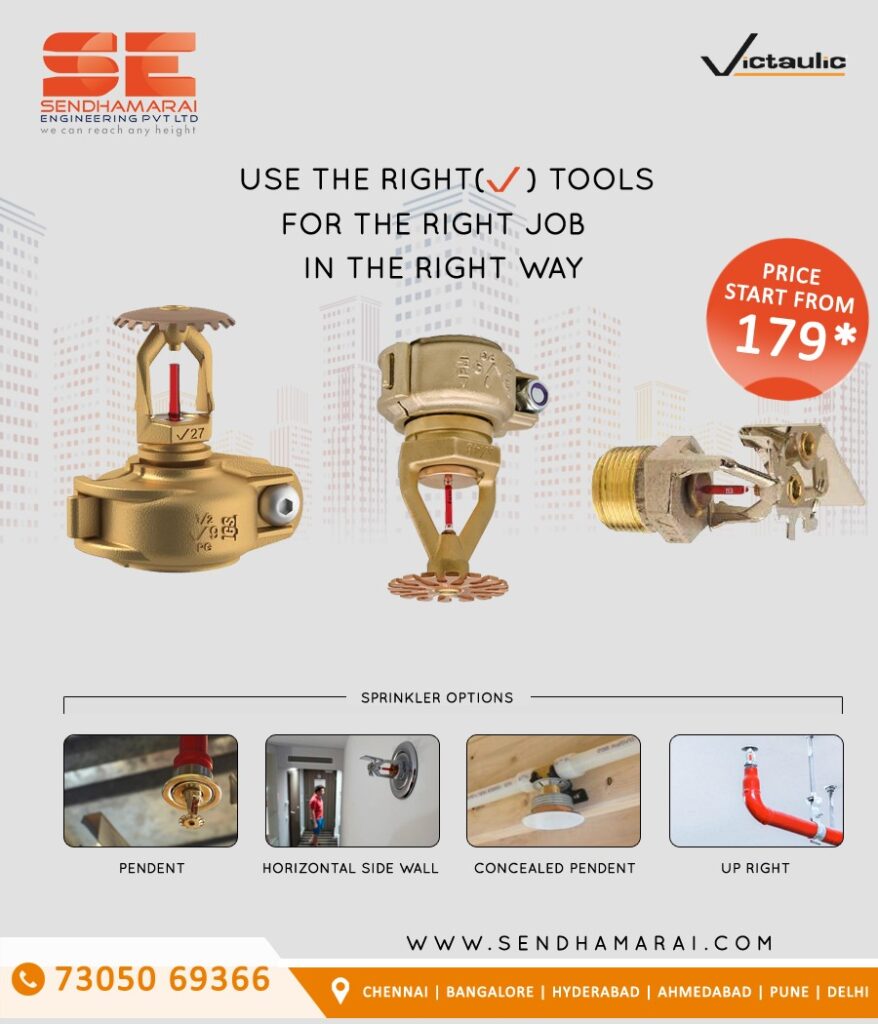
Sprinkler Heads: These are positioned strategically throughout the building and contain a heat-sensitive element that triggers water release when the temperature rises.
Piping Network: This is the system of pipes that delivers water to the sprinkler heads. It is filled with water at all times.
Alarm Valve: When a sprinkler head activates, the alarm valve signals the fire alarm system to alert occupants and emergency services.
Control Valve: This valve controls the water supply, ensuring that the system operates effectively when needed.
Advantages of Wet Pipe Fire Sprinkler Systems
One of the greatest advantages of wet pipe systems is their simplicity. Because there are fewer components involved compared to dry or pre-action systems, they tend to have a lower failure rate and are easier to maintain.
Immediate Activation During Fires
Since wet pipe systems are always filled with water, they provide a faster response to fires. The moment the sprinkler head senses heat, water is released, and the fire can be controlled or extinguished before it spreads. This rapid response time is critical in minimizing fire damage and protecting lives.
For homeowners, wet pipe fire sprinkler systems offer peace of mind. Not only do they protect your property from the devastating effects of fire, but they can also increase the value of your home. Having a fire sprinkler system installed can reassure potential buyers and even lead to reduced insurance premiums.
Wet Pipe Systems in Commercial and Industrial Settings
In businesses, especially in areas where valuable assets are stored, wet pipe systems are a necessity. They provide constant protection, ensuring that if a fire starts, it will be quickly contained. Many fire safety regulations require the installation of fire sprinkler systems, making them essential for compliance.
Common Misconceptions About Wet Pipe Fire Sprinkler Systems
There are several misconceptions about wet pipe fire sprinkler systems, one of the most common being that they cause excessive water damage. However, only the sprinkler heads directly above the fire are activated, not the entire system. This targeted approach minimizes water usage and reduces the risk of damage.
Cost Considerations of Installing Wet Pipe Systems
While the initial cost of installing a wet pipe fire sprinkler system can vary, it is important to consider the long-term benefits. Over time, these systems pay for themselves by lowering insurance premiums, reducing fire damage, and preventing costly business interruptions.
Is Installing Wet Pipe Systems Expensive?
For homeowners, installing a wet pipe system can be more affordable than expected. The cost is often offset by potential savings on insurance and the increased protection of valuable assets. In businesses, the investment in fire sprinklers ensures compliance with safety regulations and reduces the risk of fire-related financial losses.
Maintenance and Inspection Requirements
Like any other safety system, wet pipe fire sprinklers require regular maintenance and inspections to ensure they function properly. Most systems should be inspected annually, but high-risk environments may require more frequent checks.
DIY Maintenance Tips
While professional inspections are necessary, property owners can also perform basic maintenance. This includes checking that the sprinkler heads are not blocked or obstructed and ensuring that the control valves are accessible.
Environmental Impact of Wet Pipe Fire Sprinkler Systems
Water usage is often a concern with fire sprinkler systems, but wet pipe systems are designed to use water efficiently. In fact, the amount of water used by sprinklers is far less than what would be needed by firefighters using hoses.
The Future of Wet Pipe Fire Sprinkler Systems
Looking ahead, wet pipe fire sprinkler systems are likely to become even more efficient with the integration of smart technology. New developments may allow for remote monitoring, automated diagnostics, and even greater fire detection capabilities, making fire protection systems more advanced and reliable.
Fire safety is a critical concern for both residential and commercial properties, and fire sprinkler systems play a pivotal role in fire suppression. Among the various types of sprinkler systems, dry pipe fire sprinkler systems are specifically designed for environments where water could potentially freeze within the pipes. These systems have a unique mechanism that prevents water from sitting in the pipes, making them an ideal choice for colder climates.
How Dry Pipe Fire Sprinkler Systems Work
A dry pipe fire sprinkler system operates by keeping the pipes filled with pressurized air or nitrogen rather than water. The water is held back by a valve located in a heated area. When the system detects heat from a fire, the sprinkler head activates, releasing the air and allowing the valve to open. Only then does water flow into the pipes and discharge from the activated sprinkler heads to suppress the fire.
Key Components of a Dry Pipe Fire Sprinkler System
Control Valve: This valve keeps water from entering the pipes until the system is triggered.
Sprinkler Heads: These contain heat-sensitive elements that activate once a fire is detected.
Air Pressure System: Maintains the air or nitrogen within the pipes, preventing water from entering.
Advantages of Dry Pipe Fire Sprinkler Systems
Dry pipe systems are especially beneficial in environments prone to freezing temperatures. By using pressurized air instead of water, they eliminate the risk of water freezing inside the pipes, which could cause malfunctions or ruptures.
Use in Cold Storage Facilities
Cold storage facilities, freezers, and other temperature-controlled environments heavily rely on dry pipe systems. In these facilities, where temperatures can drop significantly, dry pipe systems provide reliable protection without the risk of freezing.
Case Studies: Effective Use of Dry Pipe Systems
Many warehouses and cold storage units have successfully used dry pipe fire sprinkler systems to suppress fires. These real-world scenarios demonstrate their efficiency in preventing fire damage in areas where traditional water-filled pipes would freeze.
Differences Between Dry Pipe and Wet Pipe Fire Sprinkler Systems
Although both wet and dry pipe fire sprinkler systems are effective in fire suppression, their mechanisms and applications differ. In wet pipe systems, the pipes are constantly filled with water, which provides immediate activation when the sprinkler heads detect heat. In contrast, dry pipe systems delay water release until the pressurized air is discharged.
Pros and Cons of Each System
Dry Pipe Systems: Best for cold environments, but slower to activate than wet pipe systems.
Wet Pipe Systems: Ideal for warm environments, with immediate water discharge.
Where Are Dry Pipe Fire Sprinkler Systems Most Effective?
Dry pipe fire sprinkler systems are primarily used in environments where freezing temperatures are a concern. These systems are often installed in unheated warehouses, parking garages, and cold storage units.
Industrial Applications
Factories and industrial warehouses benefit from dry pipe systems due to the large, unheated spaces they protect. The system’s design ensures fire suppression even in freezing conditions, without risking pipe failure from frozen water.
Commercial Applications
Dry pipe systems are frequently installed in commercial spaces such as office buildings, retail centers, and multi-story parking garages. In these settings, the risk of freezing is high in areas like attics, basements, or exterior spaces, making dry pipe systems the preferred option.
Installation Process of Dry Pipe Fire Sprinkler Systems
The installation of dry pipe fire sprinkler systems involves multiple steps, starting with the design and layout of the system. The installer must consider the building’s structure, ensuring that the pipes can efficiently cover all areas that need protection.
Maintenance and Testing of Dry Pipe Systems
Regular maintenance is key to the performance of any fire sprinkler system, and dry pipe systems are no exception. They require periodic testing to ensure that the air pressure and control valve function correctly.
How Often Should Testing Be Done?
According to the National Fire Protection Association (NFPA) standards, dry pipe systems should be tested at least once a year. In high-risk environments, more frequent testing may be required to ensure optimal performance.
Costs and Budget Considerations
The cost of installing and maintaining a dry pipe fire sprinkler system can vary based on the size of the building and the complexity of the system. However, the long-term benefits of reduced fire damage and lower insurance premiums often offset the initial installation cost.
Common Misconceptions About Dry Pipe Systems
Many people believe that dry pipe systems are prone to delays in activation due to the need for air release. While it’s true that there is a slight delay, this typically only lasts a few seconds and does not compromise the system’s effectiveness.
Compliance and Regulatory Standards
Dry pipe fire sprinkler systems must adhere to NFPA guidelines and local fire codes. These regulations ensure that the systems are installed and maintained correctly, providing maximum protection in the event of a fire.
Future of Dry Pipe Fire Sprinkler Systems
With advancements in technology, dry pipe systems are becoming more efficient. Smart monitoring systems are being integrated, allowing for real-time diagnostics and remote control, which will improve fire safety even further.
Environmental Impact of Dry Pipe Fire Sprinkler Systems
Dry pipe systems are eco-friendly, as they use water only when needed. This reduces unnecessary water waste and supports conservation efforts, making them a sustainable choice for fire protection.
Pre-action fire sprinkler systems are an essential component in fire protection, particularly in environments where accidental water discharge can be catastrophic. These systems are often chosen for areas like data centers, museums, and libraries, where valuable or sensitive equipment and materials must be safeguarded from both fire and unnecessary water damage. In this detailed article, we will explore how pre-action fire sprinkler systems work, their advantages, types, and maintenance, as well as why they are a preferred choice in certain industries.
A pre-action fire sprinkler system is a type of dry pipe system that requires a two-step activation process before water is released into the pipes. This mechanism provides an added layer of protection by preventing accidental discharge, making it highly effective in areas with delicate equipment or valuable property. Pre-action systems are typically installed in environments where a false alarm could lead to significant water damage, such as in server rooms, art galleries, or archives.
How Pre-Action Fire Sprinkler Systems Work
Pre-action systems rely on a combination of automatic detection devices and a closed piping system. Here’s a simplified breakdown of how they function:
Detection Stage: A separate fire detection system, usually smoke or heat detectors, first identifies the presence of a fire. This initial stage triggers the pre-action valve to allow water to fill the sprinkler pipes.
Activation Stage: Once the fire is confirmed and the sprinklers detect sufficient heat, the individual sprinkler heads activate, allowing water to discharge only in the affected areas.
This two-stage process ensures that water is only released when both the detection system and sprinklers confirm a fire, minimizing the risk of accidental water damage.
Types of Pre-Action Fire Sprinkler Systems
There are several types of pre-action fire sprinkler systems, each designed to cater to specific requirements. The most common types are single interlock, double interlock, and non-interlock systems. Let’s explore the key differences between these types.
Single Interlock Pre-Action Systems
In a single interlock system, the piping remains dry until the detection system confirms a fire. Once the fire is detected, the pre-action valve opens, allowing water to fill the pipes. The sprinkler heads will only release water once they are individually activated by heat. This system is ideal for areas where accidental water release must be minimized, but where it is also crucial to respond quickly to a confirmed fire.
Double Interlock Pre-Action Systems
A double interlock system provides even greater security against accidental water discharge. In this system, both the fire detection system and the sprinkler heads must be triggered before water is released into the pipes. This means that even if the detection system malfunctions, the sprinklers won’t activate unless the heat has opened them. This type is commonly used in environments like freezers or cold storage units, where accidental water release could freeze and cause damage.
Non-Interlock Pre-Action Systems
A non-interlock system is the simplest of the three types. Here, either the fire detection system or the sprinkler heads can activate the water release. While this system offers less protection against accidental discharge compared to the single and double interlock systems, it is still an effective solution in specific environments where rapid fire suppression is essential, but water damage is not a major concern.
Advantages of Pre-Action Fire Sprinkler Systems
Pre-action fire sprinkler systems offer several advantages over other types of fire suppression systems, particularly in environments where water-sensitive equipment or materials are present.
1. Protection from Accidental Discharge
One of the primary benefits of pre-action systems is their ability to prevent accidental water discharge. This feature is particularly important in environments like data centers, art galleries, and libraries, where accidental water damage could be just as harmful as the fire itself.
2. Enhanced Detection and Response
Because pre-action systems incorporate a separate fire detection system, they can detect a fire before the sprinkler heads activate. This early warning system provides additional time for evacuation or for fire-fighting personnel to respond before the sprinklers discharge.
3. Minimal Water Damage
Since water is only released once both the detection system and sprinklers confirm a fire, pre-action systems significantly reduce the likelihood of unnecessary water damage. This makes them ideal for environments where fire suppression is critical, but where protecting valuable assets from water damage is equally important.
4. Flexibility in Applications
Pre-action systems are highly versatile and can be tailored to fit various environments. Whether it’s a data center that requires a single interlock system for quick fire detection or a freezer that needs a double interlock system to prevent frozen pipes, these systems can be customized to meet specific fire protection needs.
Industries That Benefit from Pre-Action Fire Sprinkler Systems
Pre-action fire sprinkler systems are widely used in industries where fire suppression must be balanced with protecting valuable equipment or materials from water damage. Here are some key industries that rely on pre-action systems:
1. Data Centers
In data centers, the loss of servers and equipment due to fire or water damage can lead to catastrophic downtime and financial losses. Pre-action systems provide an added layer of protection by preventing accidental water discharge, ensuring that only affected areas are exposed to water.
2. Museums and Art Galleries
Museums and galleries often house irreplaceable works of art that could be destroyed by water. Pre-action systems ensure that water is only released when absolutely necessary, minimizing the risk to valuable collections.
3. Libraries and Archives
Libraries and archives are home to valuable documents and historical records that are highly sensitive to water. Pre-action systems provide essential protection, ensuring that only the area affected by fire is exposed to water, thereby reducing the potential for water damage to irreplaceable materials.
4. Cold Storage Facilities
In cold storage facilities, accidental water discharge can cause pipes to freeze, leading to system failures. Double interlock pre-action systems are the ideal solution for these environments, as they ensure water is only released in confirmed fire situations, preventing frozen pipes and equipment damage.
Maintenance and Testing of Pre-Action Fire Sprinkler Systems
Regular maintenance and testing are crucial to ensure that pre-action fire sprinkler systems function properly in the event of a fire. Here are some best practices for maintaining these systems:
1. Regular Inspections
Pre-action systems should be inspected quarterly to ensure that all components are functioning correctly. This includes checking the pre-action valve, detection systems, and sprinkler heads.
2. Testing the Detection System
The fire detection system should be tested regularly to ensure it accurately detects fire conditions. This includes testing smoke detectors, heat detectors, and any other sensors used in the system.
3. Flushing the Pipes
Although the pipes in pre-action systems are dry, it’s still important to flush them periodically to remove any debris that may accumulate over time. This prevents blockages and ensures that water flows freely when the system is activated.
4. Valve Maintenance
The pre-action valve is a critical component of the system, and it should be tested annually to ensure it opens correctly when triggered by the detection system. Any malfunctions should be repaired immediately to prevent failure during a fire.
Benefits of Installing Fire Sprinkler Systems
The benefits of fire sprinkler systems are numerous and undeniable. Not only do they save lives, but they also provide peace of mind for homeowners and business owners alike.
Protection of Lives and Property
Fire sprinkler systems are proven to reduce fatalities and injuries by controlling fires before they can escalate. This rapid response prevents fires from growing into full-scale disasters. In fact, studies show that buildings equipped with sprinklers have a significantly lower rate of fire-related deaths.
Cost-Effective in the Long Run
While the upfront cost of installation may seem daunting, fire sprinklers are a long-term investment. They can lower insurance premiums, reduce fire damage costs, and, most importantly, protect irreplaceable property.
Many homeowners are under the impression that fire sprinkler systems are unnecessary or too expensive. However, the truth is that these systems are affordable and increasingly accessible for residential properties.
Common Misconceptions About Home Sprinkler Systems
One common myth is that fire sprinklers will flood a house in the event of a fire, causing more damage than the fire itself. In reality, each sprinkler head operates independently, and only the ones directly above the fire will activate. Another misconception is that installing these systems is costly. However, when factoring in the potential savings from reduced fire damage and lower insurance premiums, it becomes clear that the investment pays off over time.
Fire Sprinkler Systems for Businesses
For businesses, fire sprinkler systems are not just a safety feature but often a legal requirement. Depending on the type of business and building regulations, fire protection systems are mandatory in many regions.
Custom Fire Protection Solutions for Businesses
Different businesses have different needs. For instance, a warehouse storing flammable materials will require a more robust system than a typical office building. Fire protection systems can be tailored to suit any business, ensuring compliance with safety standards and minimizing fire-related risks.
The Role of Technology in Modern Fire Sprinkler Systems
As technology evolves, so too do fire sprinkler systems. Modern systems are now incorporating automation, remote monitoring, and smart technology that can detect potential fire hazards before they escalate. These innovations are making fire protection smarter, faster, and more reliable.
Maintenance and Regular Inspection
Like any other safety system, fire protection sprinklers require regular maintenance to ensure they function properly. Inspections should be conducted by professionals who can check for leaks, corrosion, and ensure that sprinkler heads are clear of obstructions.
How Often Should Fire Sprinkler Systems Be Inspected?
The general recommendation is to have fire sprinkler systems inspected at least once a year. Regular maintenance not only ensures compliance with fire safety codes but also guarantees that the system will work efficiently in an emergency.
There is a growing concern about water usage, but modern fire sprinkler systems are designed to minimize environmental impact. Newer systems are more efficient, using less water while still controlling fires effectively.
The Future of Fire Sprinkler Systems
With advancements in smart technology and increased awareness of fire safety, the future of fire sprinkler systems is looking bright. We can expect to see even more innovative designs that incorporate sustainable practices, such as systems that recycle water or use less energy during activation.
Conclusion
Fire sprinkler systems price are becoming an essential part of fire safety for both homes and businesses. Their ability to save lives, reduce property damage, and provide peace of mind makes them a crucial investment for the future. As technology continues to evolve, these systems will only become more efficient, making fire protection more accessible and effective for everyone.